Independent Luggage Specification Ledger

Packs Built for Cabin Overhead Bins

Carry-on reliability starts with steel tape measures, textile weave density, and suspension geometry rather than marketing labels. This reference ledger documents physical luggage dimensions, airline sizer envelopes, polycarbonate shell grades, and zipper tolerances for air and rail transit.

Legacy Full-Service Envelope 56 × 36 × 23 cm 22 × 14 × 9 in (Delta, United, ANA)
European Overhead Standard 55 × 40 × 20 cm 21.6 × 15.7 × 7.9 in (Lufthansa, Ryanair Priority)
Underseat Personal Item 40 × 30 × 20 cm Typical budget carrier floor clearance
Cabin Weight Ceiling 7 kg – 10 kg Varies across European & Asian carriers
Section 02 • Sizing Strip

International Cabin Dimensions at a Glance

Advertised bag volumes in liters often omit external wheel housings, grab handles, and bulging front pockets. When a rigid metal sizer cage at an airport gate checks compliance, every millimeter of protruding plastic counts. The schematic and comparison table below outline actual clearance envelopes across major air and rail corridors.

Cabin Envelope Schematic (55 × 40 × 20 cm)

55 cm 40 cm 20 cm Side Profile (Wheels Included)
Carrier / Rail Network Main Cabin Limit Weight Rule Critical Pinch Point
IATA Cabin OK Guidance 55 × 35 × 20 cm Varies by airline Fits regional jet bins
US Major Carriers (Delta, United, AA) 56 × 36 × 23 cm No published ceiling 23 cm depth on older A319 bins
European Flag Carriers (Lufthansa, Air France) 55 × 40 × 23 cm 8 kg – 12 kg Gate scale on full flights
Low-Cost Personal Item (Ryanair, Wizz Air) 40 × 20 × 25 cm / 40 × 30 × 20 cm 10 kg max Rigid floor sizer length
High-Speed Rail (Eurostar, Shinkansen) 85 cm max side / 160 cm total Self-liftable Overhead shelf depth (~32 cm)
Section 03 • Pack Formats

Interactive Comparison by Trip Length

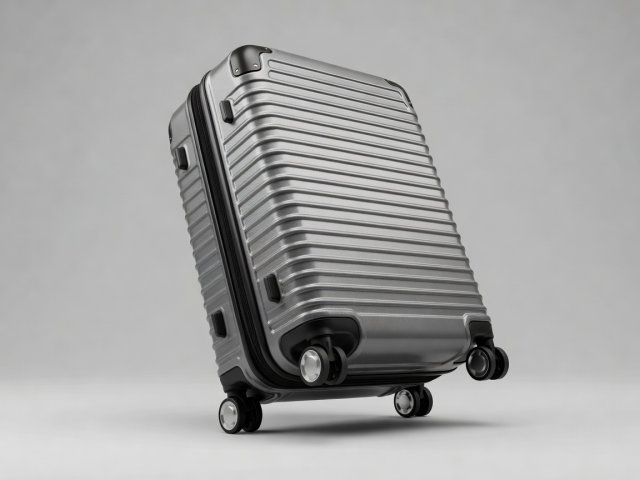
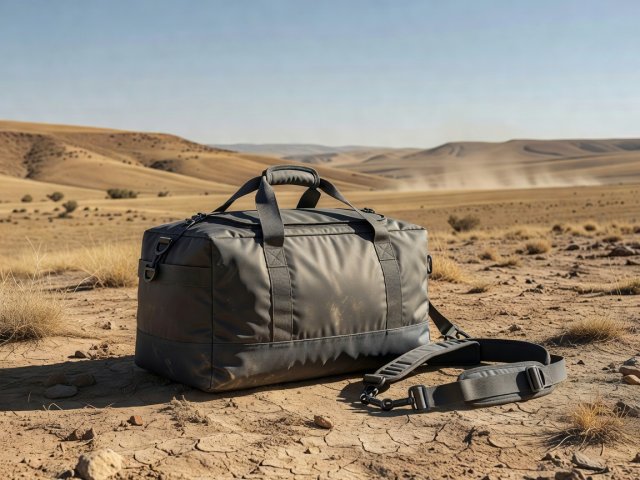
Choosing between a soft-sided backpack, a polycarbonate four-wheel spinner, and a convertible duffel depends on surface conditions between terminals, stair climbs, and internal volume efficiency.

Clamshell & Framed Cabin Packs

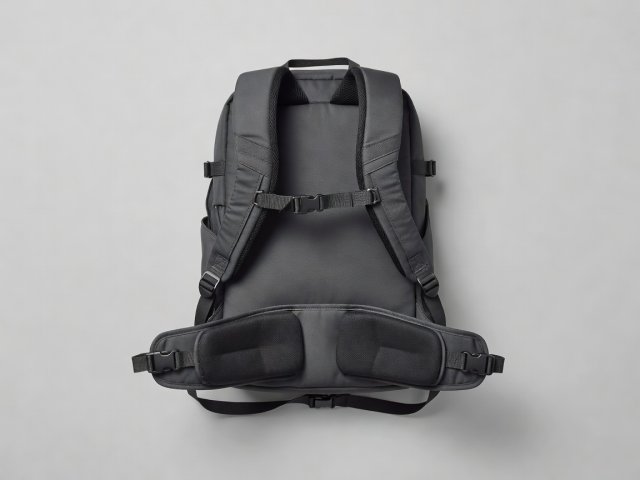
A 35-to-40-liter clamshell backpack eliminates wasted wheel-well space, yielding roughly 15% more usable rectangular volume than a hard-shell roller of identical exterior dimensions. Models with an internal spring-steel perimeter frame or HDPE framesheet transfer 60% to 75% of load mass onto the iliac crest via padded hip wings, keeping shoulder fatigue manageable across long terminal concourses and cobblestone streets.

  • Optimal trip duration: 4 to 14 days with light laundry cadence
  • Empty tare weight: 1.1 kg (frameless) to 1.85 kg (framed)
  • Key compliance advantage: Soft front panels compress into strict 20 cm sizers
Inspect Backpack Engineering Guide
Side and rear harness geometry of a structured 40-liter carry-on travel backpack
Padded shoulder yoke and stowable hip belt on a 40 L cabin pack.
Section 04 • Materials Ledger

Cordura, Ballistic Nylon, and Polycarbonate

Durability claims rely on fiber polymer chemistry, yarn thickness measured in denier (grams per 9,000 meters of filament), and underside waterproofing coatings. Below is how common travel textiles behave under abrasion, moisture, and seam tension.

TEXTILE • 500D – 1000D NYLON 6,6

Cordura Air-Textured Nylon

High-tenacity nylon 6,6 filaments cut and air-entangled into a matte, cotton-like weave resist Taber abrasion far better than standard polyester of the same weight. 500D Cordura hits the balance for cabin backpacks: roughly 40% lighter than 1000D while keeping tear strength ample for overhead bin scuffing.

TEXTILE • 840D – 1680D BALLISTIC

2×2 Basketweave Ballistic Nylon

Originally engineered for flak jackets, 1680D ballistic nylon uses thick, smooth-filament yarns in a tight basketweave. Its slick exterior sheds lint and moisture easily, though the slick surface can snag and fray if pierced by a sharp aluminum rivet rather than resisting like ripstop grid yarns.

POLYMER • VIRGIN MAKROLON PC

Polycarbonate & Recycled PET Weaves

Injection-molded or thermoformed polycarbonate retains high impact ductility down to −20°C. Meanwhile, 600D to 900D recycled polyester (rPET) textiles offer lower raw strength than nylon 6,6, requiring polyurethane (PU) or carbonate backing plus bar-tack reinforcement at high-load strap anchors.

Section 05 • Hardware Checks

Zippers, Frames, and Wheel Assemblies

Most premature luggage failures occur at mechanical interfaces rather than across flat fabric panels. Inspect these four hardware assemblies before trusting any bag on an itinerary with tight connections.

Main perimeter openings on a 40-liter pack carry continuous lateral burst stress when compressed. A YKK #10 reverse-coil nylon zipper handles repeated flex over packed clothing corners cleanly; polyurethane-coated water-resistant zippers (often #8 AquaGuard) seal rain out well, yet their laminated film tends to peel after three to five years of UV and salt exposure unless kept clean and zipped gently around corners.

Section 06 • Editorial Charter

Independence Policy: Zero Affiliate Links or Paid Placements

Horizon Flint Pavilin operates as an un-sponsored engineering reference. No manufacturer, retailer, or airline funds, reviews, or influences any specification breakdown published here. We carry zero outbound affiliate tracking links and accept no paid placements.

All dimensional figures are cross-checked against publicly posted airline cabin baggage policies and physical material standards. Read our editorial methodology or browse common cabin luggage questions.